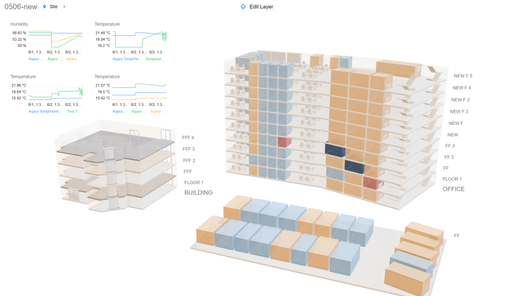
This post shares our current development direction after the Zircon3D v2.2 release.
Current Focus: Routing System
After v2.2, our next development focus will be the routing system.
The idea is to make Zircon3D able to visualize connected systems inside or around a building, such as Energy systems, solar panels, home batteries, EV chargers, main panels and inverters, water pipes, sewer lines, greenhouse irrigation systems, HVAC ducting or airflow paths, and other routing-style systems in the future.
The goal is to make complex building data easier to understand visually from a 3D layout, showing where things are, how they are connected, and how data or resources flow through the system.
[image: 1779112717599-8c2a612c-1c6d-461f-ab7b-14074e79b1e8-2026-05-15-12_29_25-sticky-notes-new-resized.png]
Visual Enhancement
[image: 1779203169613-2026-05-14-19_16_54-tmp-file-explorer.png]
Seasonal Plan
Features actively in development or planned for the next seasonal releases, typically within the next 2–4 months.
Current: 2026-S2
Routing System - Draw and visualize connected routes such as energy lines, wires, pipes, ducts, or irrigation paths in 3D.
Static Floating Card - Display static text, labels, notes, or images above objects in the 3D view.
Template System - Create reusable templates for buildings, floors, rooms, or groups of objects.
Room Box View with Sensor Data - Allow room colors to represent values such as occupancy, air quality, or other sensor data.
Copy and Paste - Clone objects more easily using shortcut keys or pointer-based actions.
More Usability Improvements - Continue improving editing workflow, object placement, visual controls, and general usability.
Suggest a Feature
We’d love to hear your ideas and feedback.
If there are features you’d like to see in Zircon3D, please share them in our forum
Your suggestions help us understand real use cases and prioritize future improvements.
Notes
Items listed in this roadmap are directional and not guaranteed commitments. Priorities may change based on technical progress, user feedback, and real-world use cases.